Creating Flexible and Warm Spaces with Modular Wooden Structures
You can create more flexible, warm, and organized spaces by using the logic of modular wooden structures at home, in the garden, and in small areas.
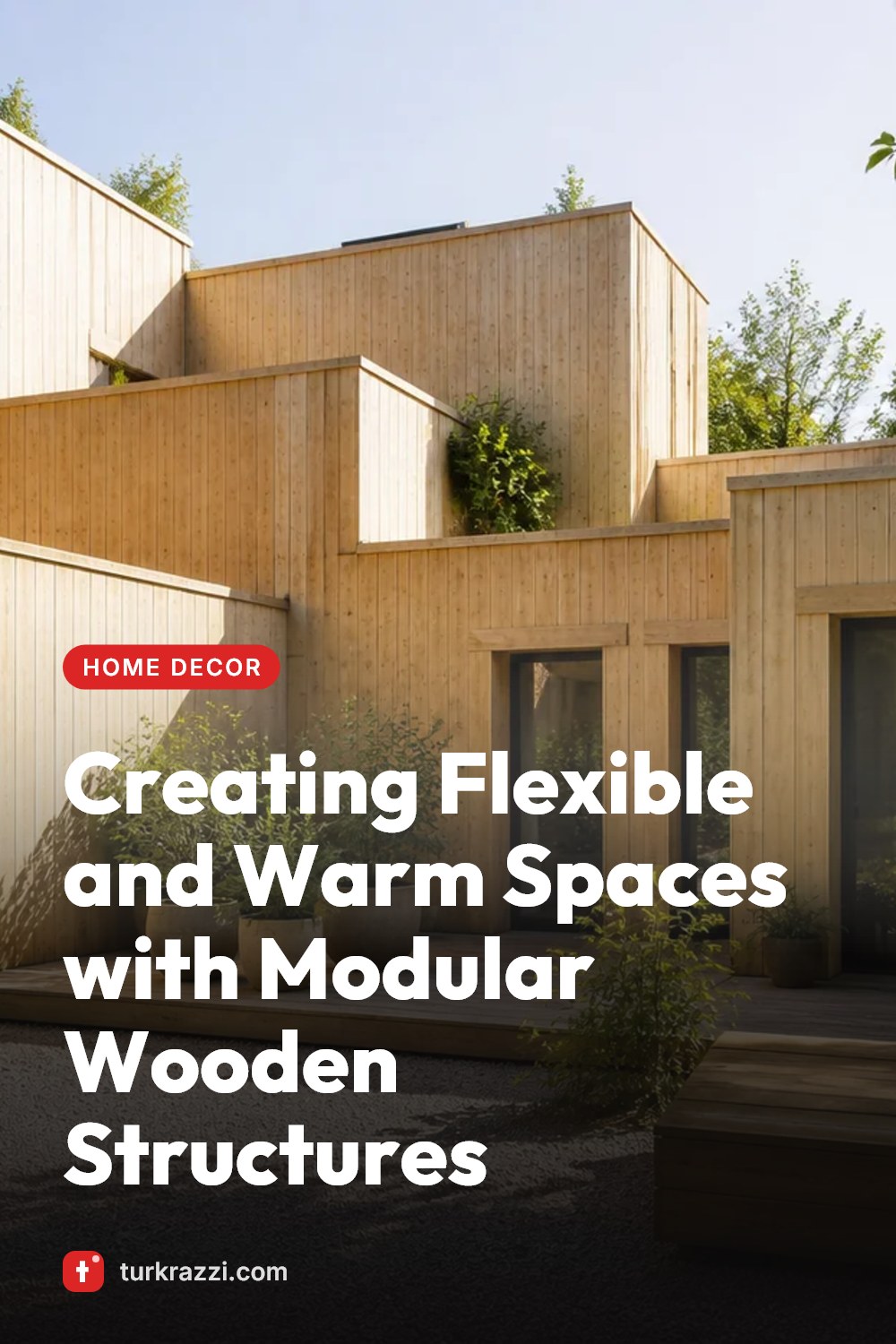
Why does thinking in modules work?
When setting up a space, most people want to do everything at once, according to a single plan. But a modular approach is much more relaxing. When you think about the parts separately and then bring them together, it becomes easier to make changes, and you can also expand or reduce the space according to your needs.
The appealing side of modular wooden structures is that they create a sense of order without looking rigid or cold. Wood adds warmth to the space it’s in; the block logic, on the other hand, reduces clutter. That’s why it can be a very practical source of inspiration for small homes, gardens, terraces, and even work corners.
Best of all, this approach can be adapted not only to big projects but also to everyday life. You can benefit from the same logic when creating a shelving system, a seating arrangement, a plant display, or a storage unit.
How do you bring the wooden block logic into your home?
First, think of the area not as one whole piece, but in sections. A seating corner, a storage section, a plant area, a reading spot… Let each section have its own function. That way, the space looks organized and is easier to use.
If you’re working in a small space, it’s a good idea to choose movable and compatible pieces instead of fixed furniture. Boxes, crates, shelving modules, or bench-style seating pieces in similar sizes will give you flexibility. You can move them around, stack them, or place them side by side as needed.
The key thing to pay attention to is not that every module looks the same, but that they speak the same design language. That means:
- Use wood tones that match
- Keep the sizes compatible with one another
- Avoid creating an eye-straining look with too many different forms and colors
- Balance open and closed areas
How should you choose colors and materials?
When working with wood, the safest option is to create a natural and calm palette. Colors like light oak, pine tones, off-white, stone gray, and soft green make a modular structure look more balanced. If you want a more modern look, you can use black details sparingly; but make sure they don’t overpower the warmth of the main material.
Surface quality is important when choosing materials. Rough, separated, or easily staining surfaces can be tiring in daily use. Especially for pieces you’ll use for seating, plants, or storage, choosing surfaces that are easy to wipe clean and durable will make things easier.
If you’re using it in a garden or semi-open area, think in advance about how the material will respond to moisture and sun. Not every type of wood ages in the same way. That’s why it’s smart to test it in a small section before increasing the number of pieces.
Ideas that can be applied in small spaces
The biggest advantage of the modular approach is that it can create a sense of spaciousness even in narrow areas. To make that happen, give each piece a separate function.
You can try these:
- Turn one module into a seating bench and the bottom part into storage
- Line up several boxes of the same size side by side to create a low bookshelf
- Create platforms at different heights for plants
- Place small boxes that organize the countertop like a system
- Use separate modules for shoes, bags, and keys in the entryway
The goal here is not to place a lot of items, but to create order with fewer pieces. Leaving space between modules is also important. If everything looks stuck together, it will seem cramped rather than organized.
How can it be adapted for the garden and terrace?
The wooden module idea works even more freely in the garden. Instead of spreading plants out randomly, arranging them with differences in height creates a more lively look. You can place large pots on the ground and smaller plants on raised surfaces. That way, care becomes easier and a visual rhythm is created.
If you’re thinking about a terrace or balcony, it’s better to choose light pieces rather than heavy and complicated solutions. A setup that is hard to move will wear you out over time. So:
- Use modules that are easy to move
- Think about water drainage
- Arrange them according to the plants’ sunlight needs
- Position the seating area and the green area in harmony without mixing them together
Another advantage of modular structures in the garden is that they can be easily adapted when the seasons change. In summer, you can move shade-loving plants forward, and in winter, you can create a more sheltered arrangement.
Ease of use matters as much as aesthetics
Arrangements that look beautiful but are difficult to use fall apart quickly. When creating a modular system, first think about your daily habits. The things you use most often should be in the most accessible place. Less frequently used items can go on lower shelves or into closed sections.
You can also use small details to distinguish between similar-looking but functionally different pieces. For example:
- Open shelving in one module
- A drawer-like cover in another
- A plant area in one
- A seating surface in another
This way, the arrangement won’t look monotonous. But don’t add overly busy details either. The strength of modular design is that it is simple and clear.
A practical way to start in your own home
You don’t have to make a huge transformation. Starting from a small corner is often more successful. A wall, the end of a balcony, or a hallway corner is enough.
You can follow these steps to begin:
- Measure the area and determine how much space you need
- Choose the area’s single function: seating, storage, display, or plant area
- Plan 2-3 pieces with the same size logic
- Try the layout first, then secure it
- Use one piece for multiple purposes if needed
The goal with this method is not to “set everything up at once,” but to find the right arrangement over time. As you move forward piece by piece, you’ll see more clearly what you need.
A feeling of a warm, organized, and changeable life
The modular wooden approach is actually not just a decorating idea; it’s a way to simplify life. Because it gives you flexibility, lets you use the space without forcing it, and reduces unnecessary clutter. Especially if you like changing things often in your home or garden, this logic will suit you very well.
With the right colors, balanced materials, and a few smart pieces, you too can create a space that feels more organized but not cold. Instead of big and flashy solutions, well-thought-out small modules are often more long-lasting.
If you’re looking for balance in a corner of your home or garden, start by thinking block by block. Once each piece finds its place, the whole area naturally comes together.
If you spot a mistake, write to [email protected].






Comments (0)
No comments yet. Be the first to comment.
Sign in to write a comment.