 Un projet de loi à l'Assemblée pour sortir de la crise du logement
#Assemblée nationale
From YouTube
Un projet de loi à l'Assemblée pour sortir de la crise du logement
 Épargne salariale : Comment débloquer jusqu’à 5 000 € ?
 "Nous devons refonder notre politique migratoire" (Charles Rodwell)
 "LFI ne chiffre rien", dénonce Sébastien Chenu
 “Jean-Luc Mélenchon ne chiffre rien et ne finance rien, c’est du plein délire” (Sébastien Chenu)
 "Le programme économique de Mélenchon est totalement irréaliste" (Guillaume Paul)
 2027 : la majorité des députés communistes lâche Fabien Roussel
 Budget rejeté à l'unanimité : L'Assemblée nationale dans l'impasse, cap sur le Sénat
 Budget 2027 : l'Assemblée nationale rejette à l'unanimité le projet de budget de l'État
 L'Assemblée nationale rejette à l'unanimité le budget de l'Etat 2027
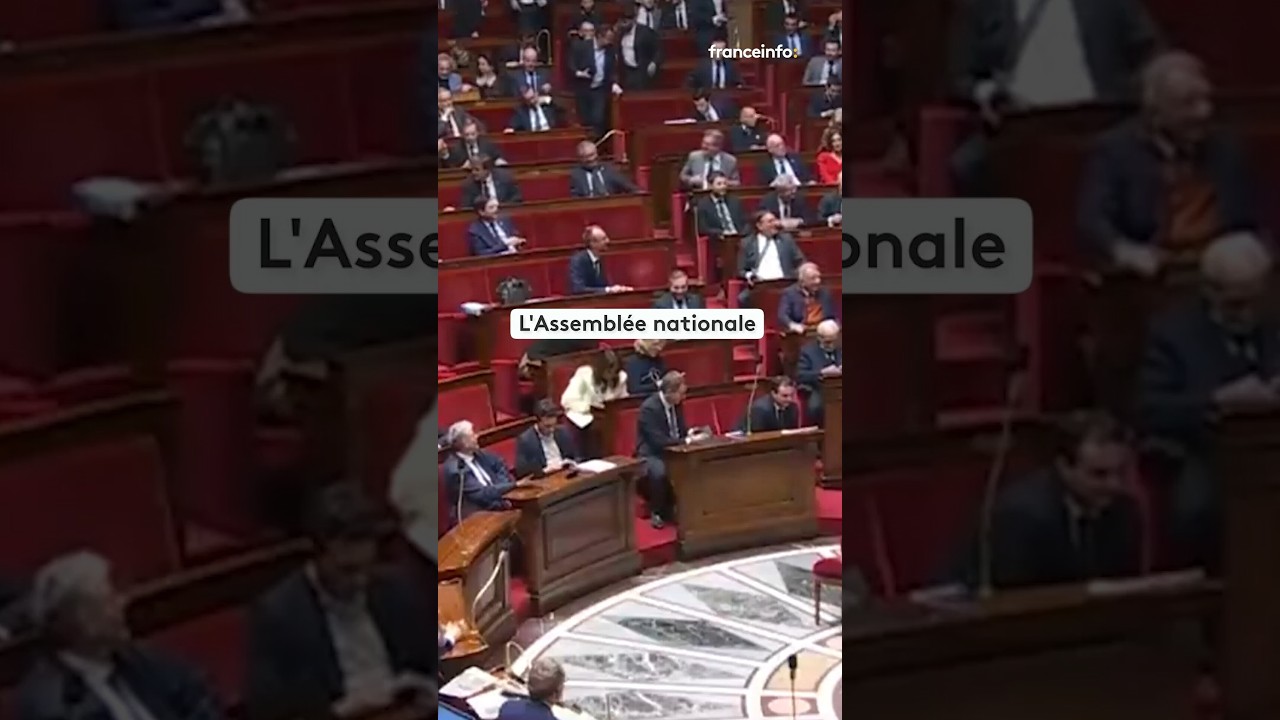 L'Assemblée nationale rejette le budget 2027
 L'Assemblée nationale rejette le budget 2027
Videos come from YouTube and posts from Instagram; source links are on their pages. All rights belong to their owners.
A Short Guide to the French National Assembly
The French National Assembly is one of the most important institutions in the French political system. When you come across this tag, the topic is usually related to laws, elections, parliamentary debates, and the country’s agenda. If this subject feels a little far from you, knowing the basic logic makes things much easier: the Assembly is one of the places where issues concerning the country are discussed and decided.
What is it for?
The National Assembly can be thought of as a parliamentary body where draft laws are discussed, amended, and put to a vote. Here, members of parliament represent different views and debate issues that concern society. When reading the news or following a political development, this basic role is enough to help you understand why the debates in the Assembly matter.
Read more
What should you pay attention to when reading the agenda?
In political news, headlines can sometimes be very bold. For a healthier follow-up, you can look at these points:
- Is the issue a bill, or just a proposal?
- What topic is the debate centered around: the economy, education, immigration, security, and so on?
- How do the different parties differ on the same issue?
- Has a vote taken place, or are discussions still ongoing?
- Does the news clearly show where the official statement ends and commentary begins?
Making this distinction reduces information pollution and helps you understand developments more accurately.
Tips for following political content more comfortably
When following the Assembly’s agenda, don’t let complex terms intimidate you. Focus first on grasping the main idea. You do not have to understand every detail of every sentence. In particular, try this method:
- First, identify the who, what, and why of the news.
- Then think about how the issue being discussed affects daily life.
- Read the same event by comparing different sources.
- Pay attention not only to slogans, but also to concrete proposals.
A useful approach when forming your own opinion
When watching a parliamentary debate, it helps to clarify the questions first instead of immediately taking sides. For example, what is the purpose of the decision, who does it affect, and what objections are there? When you look at it this way, you can evaluate the news more calmly and consciously. Politics is not just about leaders; understanding how rules, institutions, and balance mechanisms work is also important.
A practical way to get started
If you are new to this topic, you can move forward in this order:
- First learn the basic concepts of France’s parliamentary system.
- Then get used to the terms that often appear in Assembly news.
- Next, follow a current debate through short summaries.
- Finally, compare how different viewpoints approach the same issue.
In this way, the expression “Assemblée nationale” will no longer seem like a foreign term to you; it will become a solid starting point for understanding French politics.
Comments (0)
No comments yet. Be the first to comment.
Sign in to write a comment.