 İsveç-Bosna Hersek | MAÇ ÖZETİ | UEFA Uluslar Ligi A Ligi 4. Grup | 14.11.2026
#Bosna Hersek
From YouTube
İsveç-Bosna Hersek | MAÇ ÖZETİ | UEFA Uluslar Ligi A Ligi 4. Grup | 14.11.2026
 GOL | Sead Kolasinac | İsveç 3-2 Bosna Hersek | UEFA Uluslar Ligi B Ligi 4. Grup | 14.11.2026
 GOL | Armin Gigovic | İsveç 3-1 Bosna Hersek | UEFA Uluslar Ligi B Ligi 4. Grup | 14.11.2026
 GOL | Viktor Gyökeres | İsveç 3-0 Bosna Hersek | UEFA Uluslar Ligi B Ligi 4. Grup | 14.11.2026
 İsveç'in Alexander Isak İle Bulduğu 3. Gol, Ofsayt Nedeniyle İptal Edildi! | İsveç - Bosna Hersek
 GOL | Viktor Gyökeres | İsveç 2-0 Bosna Hersek | UEFA Uluslar Ligi B Ligi 4. Grup | 14.11.2026
 GOL | Viktor Gyökeres | İsveç 2-0 Bosna Hersek | UEFA Uluslar Ligi B Ligi 4. Grup | 14.11.2026
 GOL | Daniel Svensson | İsveç 1-0 Bosna Hersek | UEFA Uluslar Ligi B Ligi 4. Grup | 14.11.2026
 GOL | Viktor Gyökeres | İsveç 2-0 Bosna Hersek | UEFA Uluslar Ligi B Ligi 4. Grup | 14.11.2026
 GOL | Daniel Svensson | İsveç 1-0 Bosna Hersek | UEFA Uluslar Ligi B Ligi 4. Grup | 14.11.2026
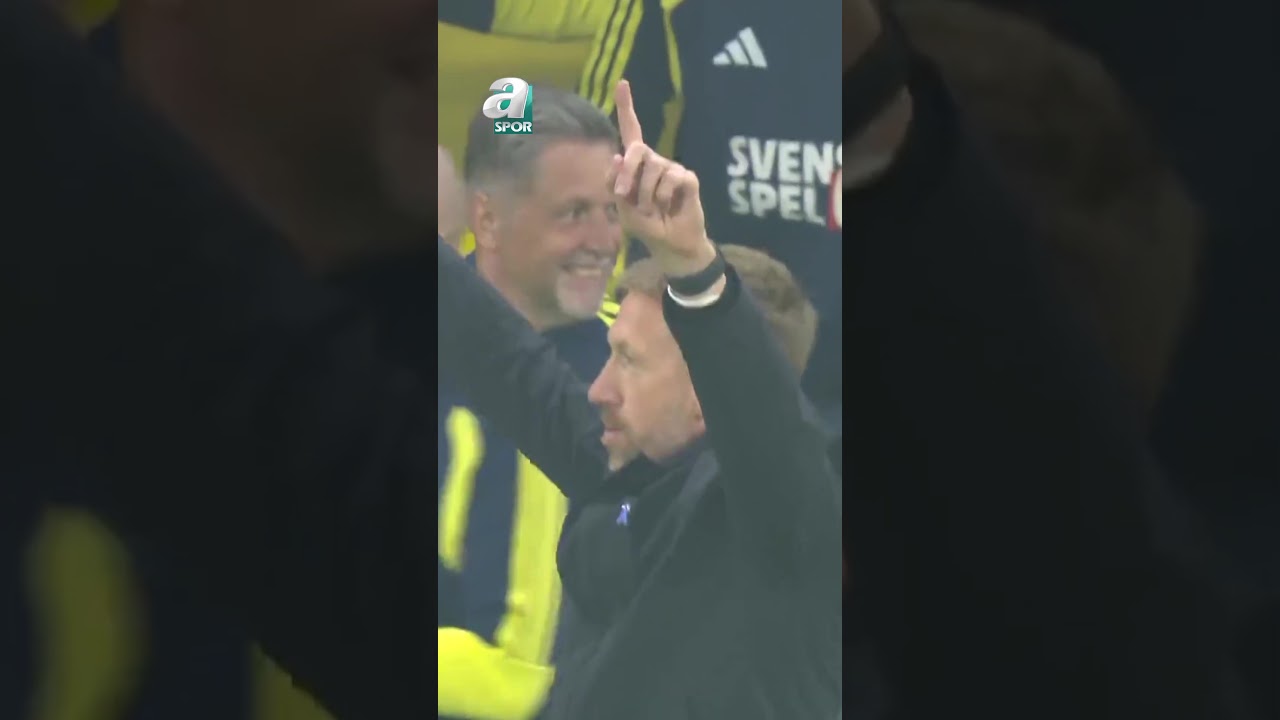 GOL | Daniel Svensson | İsveç 1-0 Bosna Hersek | UEFA Uluslar Ligi B Ligi 4. Grup | 14.11.2026
 Bosna Hersek'te, AB Barış Gücü Misyonuna ait askeri helikopterin düşmesi sonucu 4 kişi öldü
Videos come from YouTube and posts from Instagram; source links are on their pages. All rights belong to their owners.
About Bosnia and Herzegovina
What is Bosnia and Herzegovina?
Bosnia and Herzegovina is a country in Southeastern Europe, in the Balkans. It borders Croatia to the north and west, Serbia to the east, and Montenegro to the southeast; it has a short coastline on the Adriatic Sea. Its capital is Sarajevo. The country has a historically and culturally diverse structure, where different ethnic and religious communities live together.
The name Bosnia and Herzegovina historically refers to the country’s two main regions: Bosnia and Herzegovina. This structure holds an important place in both the country’s geographical and administrative identity. Traces from the Ottoman, Austro-Hungarian, and Yugoslav periods can be seen in the urban fabric, architecture, and social structure.
Read more
Political and administrative structure
Bosnia and Herzegovina is a state with a complex administrative system. The country is governed within a political order shaped by peace agreements. It has different governing units and common state institutions. This situation often brings the country’s domestic politics and decision-making processes to the forefront of the international agenda.
News about Bosnia and Herzegovina is generally shaped around the following headlines:
- Political developments and relations between institutions
- Balances among ethnic groups
- Relations with the European Union and the membership process
- Economic reforms and the investment environment
- Regional security, international missions, and military presence
- History, memorial days, and social events
History and social significance
Bosnia and Herzegovina is a country closely followed internationally, especially because of the war process in the late 20th century and the reconstruction that followed. Its historical heritage, its position at the crossroads of different cultures, and its place within Europe’s security architecture make it regionally significant.
Bosniaks, Serbs, and Croats are among the main communities in the country. This diversity is decisive in many areas, from Bosnia and Herzegovina’s politics to everyday life. At the same time, the country is also known for nature tourism, its historic cities, and its architecture that combines Ottoman and European influences.
Why is it important?
Bosnia and Herzegovina holds a strategic position in terms of Europe and regional balances because it is located at the center of the Balkans. For this reason, news about the country is often connected not only to domestic politics, but also to foreign policy, security, and integration processes with Europe.
Comments (0)
No comments yet. Be the first to comment.
Sign in to write a comment.