 Koalitionsausschuss: Warum es heute für Schwarz-Rot um viel geht
#Bundesregierung
From YouTube
Koalitionsausschuss: Warum es heute für Schwarz-Rot um viel geht
 Jahresgutachten: Wirtschaftsweisen fordern Sparkurs der Regierung
 KI im deutschen Maschinenbau | tagesthemen-Interview
 Videoüberwachung in Schlachthöfen #nachrichten #tagesschau
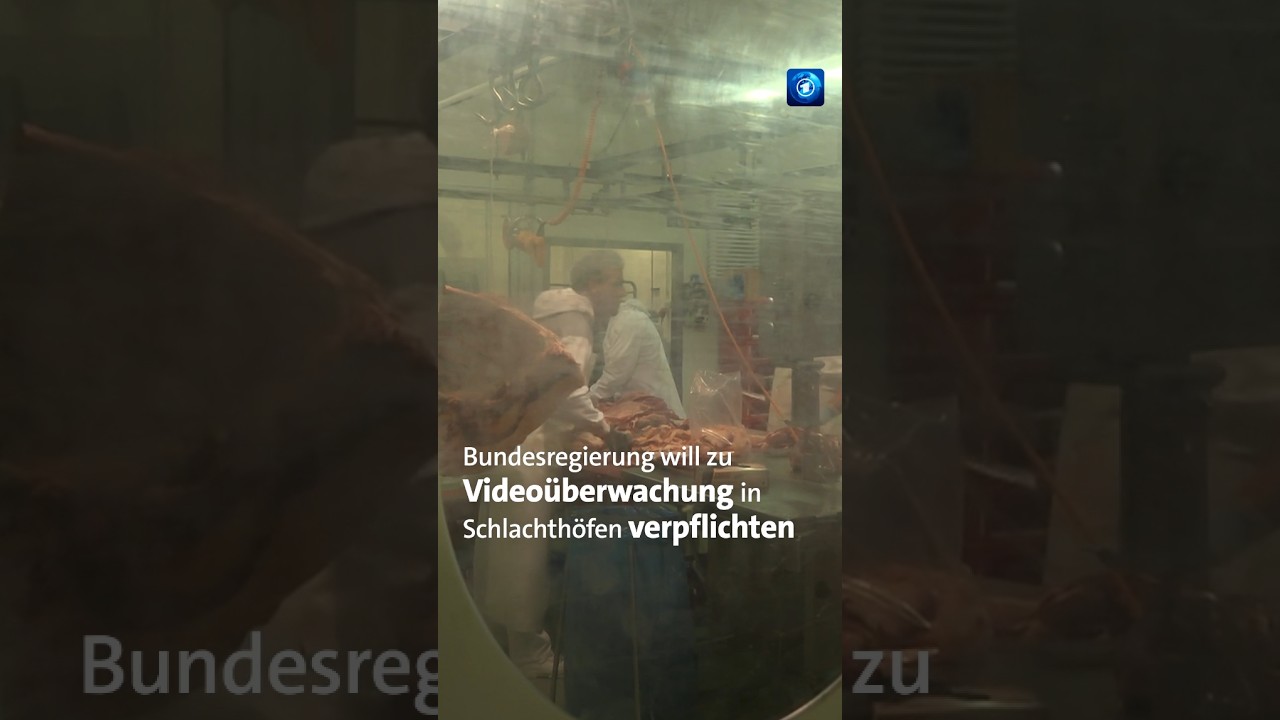 Videoüberwachung in Schlachthöfen #nachrichten #tagesschau
 Erleichterung in Deutschland nach US-Wahl
 Digitalgipfel: Kann Deutschland beim Thema KI überhaupt noch aufholen?
 Heute vor 65 Jahren schloss die Bundesregierung ein Anwerbeabkommen mit der Türkei. Wie kam's dazu?
 Spritpreise über zwei Euro: Hilft der „Tankrabatt“ Pendlern wirklich?
 ErklärBAR: Die Rente ist sicher! Oder?
 Elterngeldreform: Bundesregierung überarbeitet Sparpläne
Videos come from YouTube and posts from Instagram; source links are on their pages. All rights belong to their owners.
Guide to the German Federal Government
Bundesregierung means the German Federal Government. This concept is especially important for those who follow political developments in Germany, live there, or want to understand how current decisions affect everyday life. Although it may seem complicated at first glance, once you grasp the structure and how it works at a basic level, you can interpret the news, statements, and new regulations much more easily.
Why is it important to understand the federal government?
The federal government is at the center of the decision-making process on issues that concern the country as a whole. Decisions made on topics such as the economy, immigration, some areas related to education, foreign policy, transportation, and digitalization can affect daily life, the work environment, and official procedures. That is why it is useful to follow it not only out of political curiosity, but also for practical life.
Read more
Think of the structure in a simple way
In the federal government, responsibilities are not concentrated in one person. The chancellor and the ministers each carry responsibility according to their own area. The easiest way to understand this system is to distinguish between “overall direction” and “area of expertise.” In other words, if a topic requires a strategic decision at the national level, it is handled at the top level; more technical matters are handled through the relevant ministry.
What should you pay attention to when following the news?
In political news, headlines sometimes simplify the topic but may leave out details. That is why, when reading an explanation, it is useful to look not only at the concluding sentence, but also at which ministry is speaking, whether the decision has come into force, and who is affected. In particular, there is a difference between words such as draft, regulation, statement, and implementation; distinguishing between them helps prevent misunderstandings.
Suggestions for understanding current developments more easily
- Try to read decisions from several different sources, not just one news report.
- In official statements, there may sometimes be technical terms behind the simplified language; check their meaning.
- Choose the area you are interested in: economy, education, immigration, environment, or digitalization, for example.
- When following a topic, ask: “Who is making the decision, who is affected, and when is it being implemented?”
- If you are reading content in German, start with short-sentence and formal texts; you do not have to move on to long political analyses right away.
How should you proceed if you are just starting out?
If you are new to learning about the political structure, it is a good idea to first get to know the basic institutions. Having a rough understanding of the difference between the federal government, state administrations, and parliament makes the news much more understandable. Then you can choose a topic that interests you and move forward through that. For example, examining how an economic decision affects individual life provides more lasting learning than memorizing the system.
A useful perspective while following it
The best way to understand the political agenda is to see each news item not as a “single event,” but as part of a larger framework. In this way, you can more soundly interpret why decisions are made, how they are debated, and what kind of consequences they may bring. When you look at content about the federal government through this lens, news that seems complicated becomes more understandable and easier to follow.
Comments (0)
No comments yet. Be the first to comment.
Sign in to write a comment.