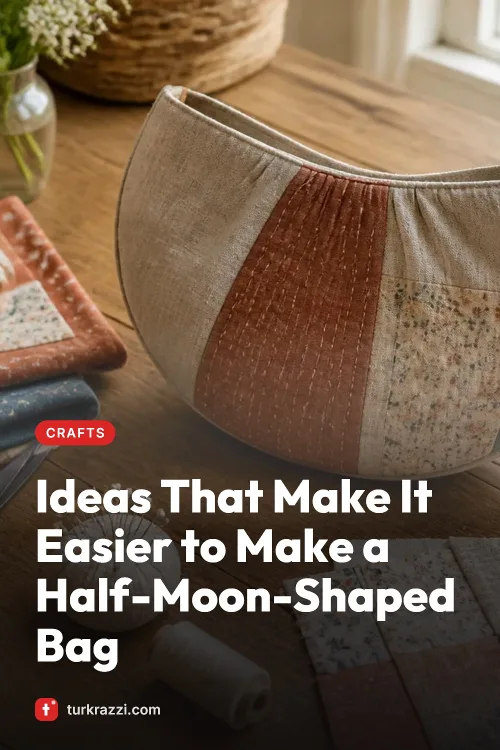
#çanta yapımı
Ideas for Making Bags and Getting Started Tips
Bag making is a enjoyable hobby that can be both practical and reflect your personal style. Whether you’re thinking of a simple model you can make by hand or a more neat and durable design, the most important point is to first decide what purpose your bag will serve. Different uses such as everyday wear, the beach, shopping, a small handbag, or a shoulder bag directly affect your choice of model.
First, make the model clear
Before you start making a bag, think about the size, shape, and how it will be used. In a very small model, decoration takes the lead, while for everyday use, durability is more important. Choosing flat and simple models at the beginning makes your job easier. Rectangular shapes, one-piece bodies, and designs with few details are more suitable for beginners.
Read more
Ask yourself these questions:
- Will you use the bag in daily life?
- Will it be carried on the shoulder, by hand, or crossbody?
- Should it have a zipper, a magnetic closure, or an open top?
- Should it be plain, or patterned and decorative?
Material selection changes a lot
The material you use in bag making determines both the appearance and durability. Fabric bags are lighter and more comfortable, while thick textured materials can help the bag keep its shape better. If you’re working with sewing, very slippery or very thin fabrics may be challenging for beginners.
Pay attention to these:
- Using a lining makes the bag look more neat.
- If you want it to stand firm, you can choose suitable interfacing.
- It is important that the straps and handles are sturdy.
- For everyday use, easy-to-clean materials are an advantage.
Color and pattern harmony
The nicest thing about making your own bag is that you decide its color and style completely. If you want a classic bag that matches every outfit, neutral tones can be a good choice. Colors like black, beige, cream, brown, and gray offer versatile use. For a more energetic look, you can choose pastel tones, floral patterns, or contrasting color details.
If you use patterns, choosing simple handles and a plain lining creates a balanced look so the bag’s shape does not look too busy. If you want to add movement to a solid-colored body, a pocket, piping, button, or small applique detail may be enough.
Tips that will make things easier at the beginning
In your first attempt, aim for neat workmanship rather than perfection. Setting the measurements in advance, drawing a small sketch before cutting the fabric, and preparing the pieces step by step reduces the chance of mistakes. If you are sewing, starting with straight edges first and then moving on to the handles and inner details will be more comfortable.
- Check the measurements twice before cutting.
- Use pins or clips to secure the pieces.
- Plan the seam allowance from the start.
- Design the inside of the bag according to real use, not empty.
- Focus on a sturdy structure instead of too much decoration in the first model.
Reflect your own style
Bag making is not just a craft, it is also a design process that tells your style. Sometimes a simple tote bag, sometimes a small and stylish handbag, can add an unexpected harmony to your outfits. As you progress by trying, you will see better what suits you most. The best result is not only a bag that looks beautiful, but one that makes you feel comfortable while using it.
Comments (0)
No comments yet. Be the first to comment.
Sign in to write a comment.