What Is Greenpeace?
What Is Greenpeace?
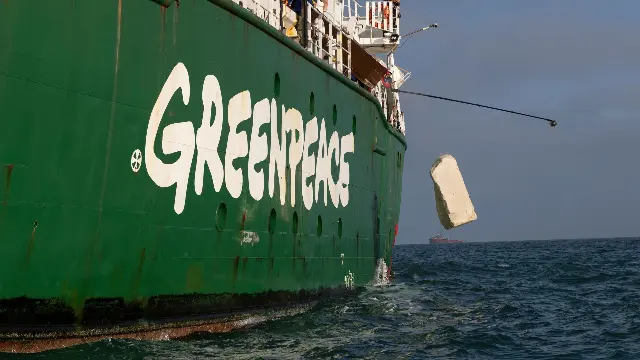
Greenpeace is an international non-governmental organization that works on issues such as environmental protection, climate change, deforestation, ocean conservation, nuclear threats, and industrial pollution. Founded in the 1970s, this organization is one of the best-known independent environmental movements operating around the world.
The organization’s basic approach is to draw attention to practices that harm the environment, raise public awareness, and encourage governments and companies to follow stricter environmental policies. Greenpeace stands out as an organization funded by donations and independent of political parties or companies. This independence is one of the main elements behind its claim that it acts with a neutral stance on environmental policies.
Areas of Work
Greenpeace’s agenda covers many topics directly linked to the environment. These include the transition to clean energy, reducing fossil fuel use, fighting plastic pollution, protecting marine life, pesticides, deforestation, and biodiversity conservation. The organization conducts research, campaigns, reports, and public outreach in these areas.
Read more
The organization’s name is often mentioned in the news alongside various environmental actions, protests, legal processes, scientific reports, and policy calls. Fishing methods at sea, oil and gas activities, nuclear energy, climate summits, the environmental impact of major companies, and nature protection decisions are among the news topics frequently associated with Greenpeace.
Structure and Impact
Greenpeace works as an international network with offices in different countries around the world. It is known for its campaign language, visuals, and attention-grabbing actions in the field. However, the organization’s real impact lies in keeping environmental issues on the agenda, bringing scientific data to the public, and creating pressure on environmental policies.
In the long term, news about Greenpeace is shaped around environmental legislation, climate policies, the protection of wildlife, sources of pollution, and sustainability debates. For this reason, Greenpeace is regarded not only as an activist group but also as one of the important actors on the global environmental agenda.



Comments (0)
No comments yet. Be the first to comment.
Sign in to write a comment.