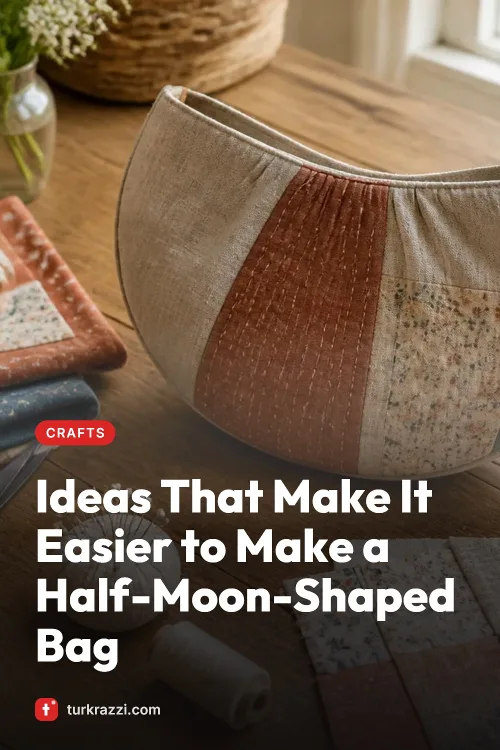
#kumaş seçimi
Practical Guide to Choosing Fabric
Fabric choice determines not only the look of a design, but also its comfort and durability. The same pattern can become a very stylish and practical piece with the right fabric, while the wrong choice can turn it into something uncomfortable or a piece that quickly loses its shape. That’s why it’s important to evaluate fabric not just by its color or pattern, but by its intended use.
First, think about what you’ll use it for
The first step when choosing fabric is to clearly define what you’ll sew or what purpose it will serve. The fabric suitable for everyday clothing may not be the same as the one suitable for a decorative pillow or curtain.
Read more
- For pieces that will be used often, durable and easy-care fabrics are more suitable.
- If you want a drapey and elegant look, you can turn to fluid fabrics.
- In designs that need structure and a sharp silhouette, firmer fabrics give better results.
Texture, thickness and stretch matter
How the fabric feels in your hand directly affects the result of the project. Very thin fabrics may look elegant, but they may require lining. Very thick fabrics, on the other hand, can look stiff in some patterns. Stretch is also an important criterion because it determines freedom of movement.
- Fabrics that feel uncomfortable to the touch may also be tiring during long-term use.
- Stretchy fabrics provide comfort, but you need to work more carefully when sewing them.
- Slippery fabrics can be challenging to cut and sew.
Choose according to the season and the area of use
Choosing fabric based on weather conditions increases comfort in use. In hot weather, more breathable fabrics that keep you cool can be preferred. In cold weather, denser and warmer textures come to the fore. The same logic applies to home decor; how much light it lets through, thickness, and durability matter.
- Think about lightweight, breathable fabrics for summer pieces.
- Look at denser and more protective textures for winter pieces.
- For curtains, cushions, or tablecloths, consider light transmission and how often they will be used.
Don’t overlook ease of care
Just as important as how a fabric looks is how it needs to be cared for after use. If you choose only based on appearance, you may later struggle with washing, ironing, or loss of shape.
- Fabrics that don’t need ironing, or need very little, are practical for everyday use.
- For items that will be washed often, durability should be more of a priority.
- Light-colored fabrics may look elegant, but they can be more sensitive to stains.
Make your decision with small tests
If you’re not sure about a fabric, it’s a good idea to try it on a small scale instead of using it right away in a large project. Checking the fabric in light, holding it in your hand, and if possible testing it on a small piece makes the decision easier.
- Check whether the fabric is transparent.
- Look at how much it wrinkles.
- Consider whether it slips while sewing.
- See how the color tone looks under different lights.
Final tip for matching and harmony
If you’re choosing fabric for clothing, the cut of the piece and the character of the fabric should match. Simple cuts look great in lively fabrics; detailed cuts, on the other hand, appear clearer in calmer textures. In decor, similarly, pairing patterned fabric with balanced colors gives a more neat and cohesive result.
In short, choosing fabric is not only a matter of aesthetics, but also of usage habits. With a little careful attention, you can choose the texture that suits your needs and help your project turn out more successfully.
Comments (0)
No comments yet. Be the first to comment.
Sign in to write a comment.