#mimari fotoğrafçılık
Inspiration and Tips for Architectural Photography
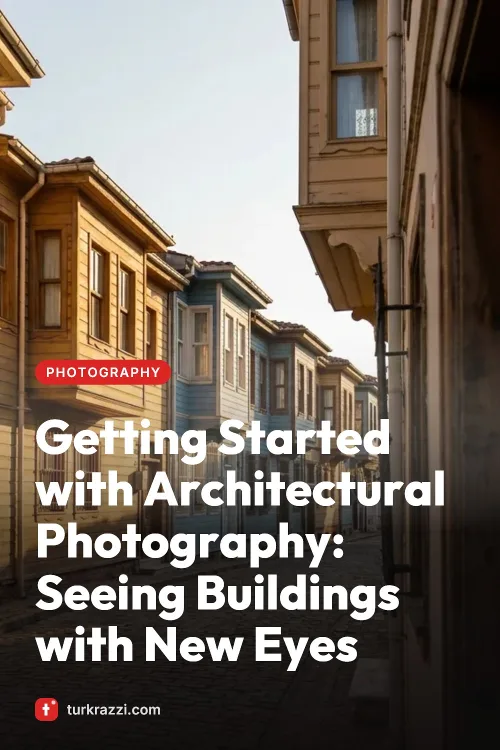
Architectural photography is much more than simply documenting a building; it tells the character of the structure by bringing together lines, textures, light, and spaces. Whether you’re photographing a historic building or a modern facade, the right point of view can turn an ordinary shot into a powerful composition. The most important thing in this field is not to look at the building only “from the front,” but to see the story it tells together with its surroundings.
Read the light correctly
In architectural shots, light reveals the form of the building. Harsh midday light can sometimes make shadows too pronounced; early morning or near sunset can give softer and more balanced results. Overcast weather can also be useful, as it shows surface details evenly.
Read more
- Think about which direction the facade faces.
- Try to catch the moments when shadows strengthen the lines.
- Observe the change by photographing the same structure at different times.
Work with perspective and lines
Straight lines and proportions are very important in architectural photography. When photographing a building, tilting the frame can disrupt the balance of the structure; so try to keep your phone or camera as steady as possible. Still, you don’t always have to be completely symmetrical. Sometimes a slight angle adds depth to the structure.
- Frame carefully to reduce the distortion of vertical lines.
- Try symmetry, then intentionally break it for a more dynamic result.
- Use an element in the foreground to create a sense of depth.
Don’t skip the details
As much as photographing a building as a whole matters, it’s also important to see its small details. Door knockers, window frames, stairs, columns, texture marks, and material transitions offer strong visual elements. These details create close-up shots that reflect the spirit of the structure.
- Focus on different details instead of just one facade.
- Look for texture on stone, metal, glass, or wood surfaces.
- Include elements like shadow and reflection in the composition.
Include the surroundings in the composition
Architecture is not just the building itself; the street, trees, people, and empty spaces around it are part of the photograph too. Sometimes showing the building together with its surroundings, without leaving it completely out of the frame, creates a stronger story. Human silhouettes provide a sense of scale, while empty space can make the shape of the structure stand out more clearly.
- Try to keep the elements around the structure simple.
- Use a wide frame to make a crowded area look calm.
- Decide in advance what you want to emphasize in your photo.
If you’re just starting out, pay attention to these
In architectural photography, visual habit is as important as technique. Instead of taking a large number of shots, first observe your surroundings and try to find the best angle. Trying different heights, closer to the ground or a little higher up, will improve your eye. Also, carefully following the lines helps you get cleaner and more striking results.
- Try the same structure from a few different angles.
- Reduce unnecessary distracting elements in your frame.
- While taking the photo, think about the feeling of the structure: strong, elegant, or simple?
In architectural photography, a good shot is not just about showing a beautiful building; it’s about bringing light, form, and order together and sparking curiosity in the viewer. As you train your eye to notice details, even an ordinary-looking structure can give you a new composition idea.
Comments (0)
No comments yet. Be the first to comment.
Sign in to write a comment.