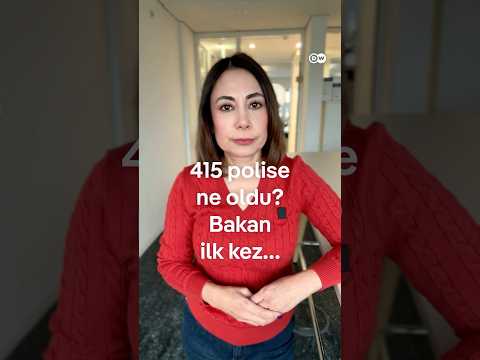
 415 polise ne oldu? Bakan ilk kez…
#Mustafa Çiftçi
From YouTube
415 polise ne oldu? Bakan ilk kez…
Videos come from YouTube and posts from Instagram; source links are on their pages. All rights belong to their owners.
Who Is Mustafa Çiftçi?
General Overview
Mustafa Çiftçi is a figure known in Turkey for both his public duties and his work in literature. His name is especially associated with his writing and the roles he has taken on within the bureaucracy. When he appears in the news or in biographical content, he is generally discussed in the context of state administration, local governance, and culture and literature.
Who Is He?
Read more
Mustafa Çiftçi is a writer known in Turkish literature especially for his short stories. He is also recognized as a bureaucrat who has held administrative positions. Because of these two aspects, his name may appear both in cultural and artistic circles and in news related to public administration. In his works, everyday life, rural life, human relationships, and social observations often stand out.
Which Fields Is He Associated With?
News and articles around the name Mustafa Çiftçi are generally grouped under the following headings:
- Literature and writing work
- Short stories, essays, and cultural production
- Public administration and administrative duties
- Local government and social issues
- Events related to the world of culture, art, and books
Why Is He Important?
As a writer, Mustafa Çiftçi stands out in contemporary Turkish literature with texts that depict rural life and human conditions. As a bureaucrat, he is one of the people who have held duties within state administration. For this reason, his name refers to a multi-faceted person encountered in both the cultural and public spheres.
In Short
Mustafa Çiftçi is a Turkish figure known for his short story writing and public duties. Content about him is mostly shaped around literature, culture, and administrative roles.
Comments (0)
No comments yet. Be the first to comment.
Sign in to write a comment.