 Darphane-i Amire’de Osmanlı’nın izinde 5 müze
#Osmanlı
From YouTube
Darphane-i Amire’de Osmanlı’nın izinde 5 müze
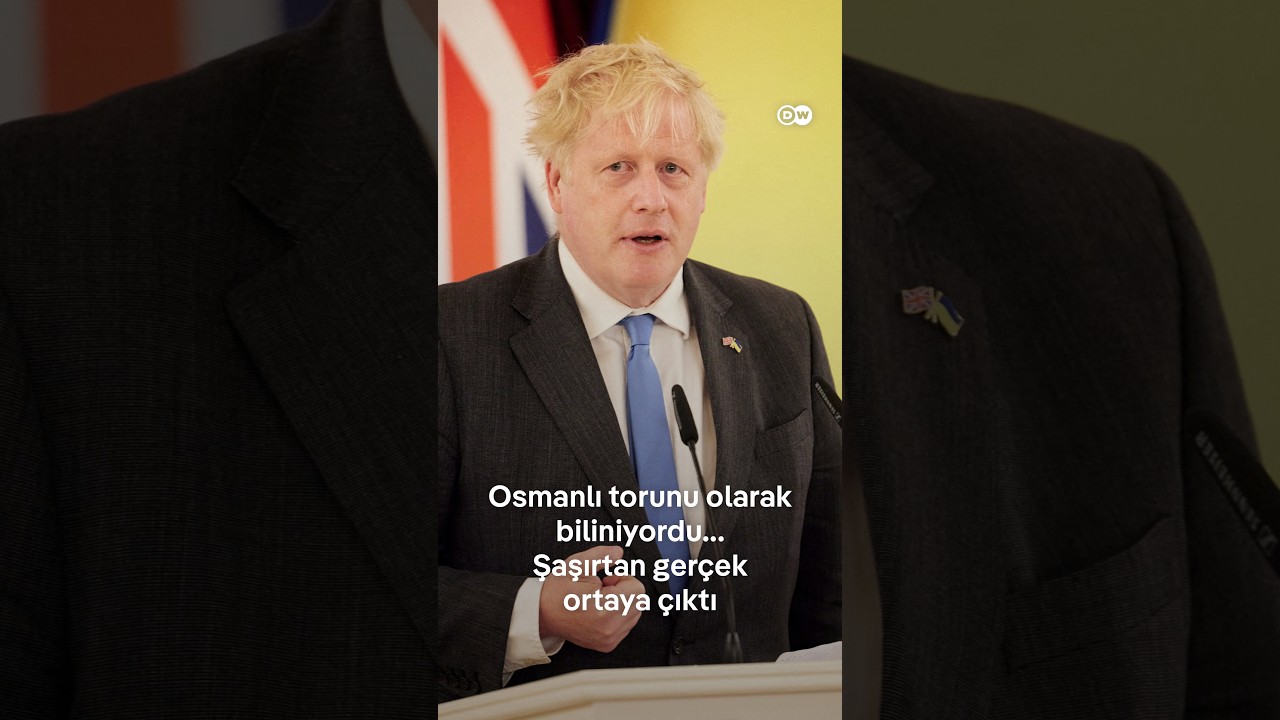 Osmanlı torunu olarak biliniyordu... Şaşırtan gerçek ortaya çıktı
 Osmanlı torunu olarak biliniyordu... Şaşırtan gerçek ortaya çıktı
 Boris Johnson’ın aile hikayesi: 19. yüzyılda Osmanlı’da kölelik var mıydı? #osmanlı
 Boris Johnson’ın aile hikayesi: 19. yüzyılda Osmanlı’da kölelik var mıydı? #osmanlı
 Osmanlı'nın Doğduğu Topraklarda Kök Salan Ulu Ağaç! | Anıt Ağaçlar 7. Bölüm
 Engürü: Ankara'nın Osmanlı'daki Adı
Turksmart
 740 Yıldır Ayakta: Osmanlı'nın Kuruluşuna Tanıklık Eden Dev Karaçam | Anıt Ağaçlar 6. Bölüm
From Instagram #osmanlı
View on Instagram ↗
Videos come from YouTube and posts from Instagram; source links are on their pages. All rights belong to their owners.
About the Ottoman Empire
What is the Ottoman Empire?
The Ottoman Empire was a major state that emerged in Anatolia in the late 13th century and quickly expanded, spreading across the Balkans, the Middle East, North Africa, and Eastern Europe. Its foundation dates back to Osman Gazi, the leader of the principality. Over the centuries, it became one of the most influential states in its region with both its military and political power.
Historical significance
Read more
Throughout its long life, the Ottoman Empire established a vast imperial structure that brought together different religions, languages, and communities under the same system of rule. Its capitals included Bursa, Edirne, and Istanbul. The conquest of Istanbul is considered one of the most important turning points in Ottoman history. In its classical period, the state created a strong central administration, an advanced military organization, and a broad administrative structure.
State structure and institutions
In the Ottoman Empire, rule was centered on the sultan. The palace, the divan, the provincial system, the qadi organization, and the military classes were among the basic elements of the state order. The Janissary Corps, the timar system, and waqfs held an important place in Ottoman social and administrative life. The empire developed distinctive institutions in terms of law, taxation, land administration, and public services.
Culture, art, and daily life
The Ottoman legacy is not limited to politics alone. It also left a deep impact in fields such as architecture, calligraphy, music, literature, tile art, urban planning, and culinary culture. Structures such as mosques, madrasas, bridges, caravanserais, inns, and fountains are characteristic elements of Ottoman cities.
What is included under the Ottoman heading in the news?
News related to this tag is usually centered around the following topics:
- Historical documents, archives, and research
- Ottoman sultans, palace life, and dynastic history
- Decrees, waqfs, postal services, archives, and bureaucracy
- Architectural works and cultural heritage from the Ottoman period
- Historical assessments related to the empire’s foundation, rise, and final period
The Ottoman Empire, as an important part of both Turkish history and world history, is an empire whose political, cultural, and social effects are still studied today.
Comments (0)
No comments yet. Be the first to comment.
Sign in to write a comment.