 Sécheresse en Guyane : Pourquoi le coût de la vie explose-t-il sur le Maroni ?
#sécheresse
From YouTube
Sécheresse en Guyane : Pourquoi le coût de la vie explose-t-il sur le Maroni ?
 Sécheresse : y aura t-il des sapins à Noël ?
 Au Tchad, la sécheresse fait craindre des poches de famine • FRANCE 24
 Afghanistan : des oliviers pour lutter contre la sécheresse • FRANCE 24
 Sorgho, la céréale sobre en eau • FRANCE 24
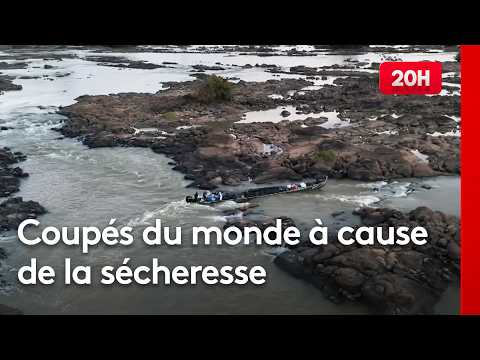 Guyane : Un pont aérien mis en place pour ravitailler les habitants face à la sécheresse
Videos come from YouTube and posts from Instagram; source links are on their pages. All rights belong to their owners.
Xeriscape Garden Design and Water Conservation Guide
Climate change and shrinking water resources make it necessary to adopt new and more mindful approaches to garden care. The xeriscape landscaping approach, which prioritizes water conservation, allows you to create aesthetic spaces bringing together plants that can survive on little water. You can follow a few essential steps to design an outdoor space that protects natural resources while never compromising on aesthetics.
Start with the Right Plant Selection
The foundation of a xeriscape garden is choosing species that require little water and are adapted to the local climate. Succulents, lavender, sage, and woody shrub-like plants are tailor-made for this style. Once these plants establish their roots, they require almost no supplemental watering and maintain their vitality even during dry spells. You can use species with different leaf forms together to create a variety of color and texture.
Soil Preparation and Mulching
To increase the water-retention capacity of your garden, you should enrich the soil with organic matter. Covering the soil surface with wood chips, pebbles, or pine needles—known as mulching—largely prevents water evaporation. This method, which also balances soil temperature, stops weed growth and reduces maintenance needs.
Read more
Smart Irrigation Methods
When watering, ensuring the water reaches the roots directly is the most efficient way. Drip irrigation systems or subsurface irrigation pipes prevent water from evaporating and being lost. The best time for watering is the early morning hours; this way, the water is absorbed by the plant before it evaporates quickly under the heating effect of the sun. Collecting rainwater and using it to water the garden is also a sustainable step.
Balance of Color and Texture in Design
Xeriscape gardens are not just limited to shades of green. Plants with gray, silvery, and bluish leaves reflect sunlight, show resistance to drought, and give your garden a sophisticated look. By combining plants with gravel paths, natural stones, and wooden details, you can achieve a low-maintenance yet extremely stylish landscape. By adapting to nature's own balance, you can both save time and create an eco-friendly living space.
Comments (0)
No comments yet. Be the first to comment.
Sign in to write a comment.