 Mississippi : les démocrates remportent un siège au Sénat • FRANCE 24
#Sénat
From YouTube
Mississippi : les démocrates remportent un siège au Sénat • FRANCE 24
 Trump vs le Congrès : la bataille des pouvoirs • FRANCE 24
 Budget rejeté à l'unanimité : L'Assemblée nationale dans l'impasse, cap sur le Sénat
 Qui sont vraiment les démocrates, vainqueurs de Trump et désormais majoritaires au Sénat ?
 "Les enquêtes parlementaires vont reprendre autour de Trump" (Frédérique Sandretto)
 Midterms : les démocrates ont repris le contrôle du Sénat
 Midterms : les démocrates ont repris le contrôle du Sénat
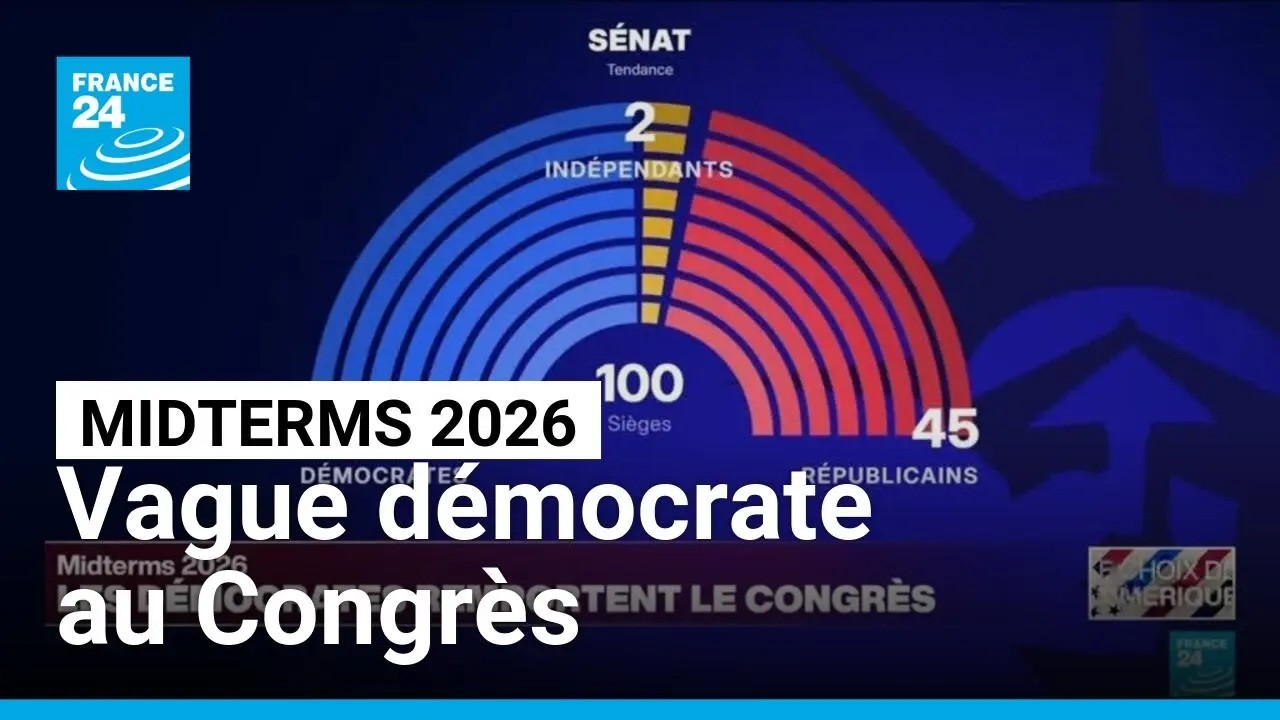 Midterms 2026 : les démocrates obtiennent la majorité au Sénat • FRANCE 24
 Midterms : "Est-ce qu’il y a des actes de corruption prouvés chez Trump ?" (Isaac Barchichat)
 J-1 avant les midterms : sept États suffiraient à faire basculer le Sénat • FRANCE 24
 Midterms : la jeunesse du Michigan convaincue par le démocrate Abdul El-Sayed • FRANCE 24
 La course au Sénat relancée par un revirement surprise dans le Michigan • FRANCE 24
Videos come from YouTube and posts from Instagram; source links are on their pages. All rights belong to their owners.
What Is the Senate? Its Structure and Function
Understanding the concept of the Senate
The Senate means the second chamber or upper house in the legislative process in many countries. Its main purpose is to examine the prepared laws more carefully, discuss them, and make the necessary corrections. That is why when we talk about the Senate, we think not only of an institution, but also of the idea of balance and oversight.
Senate structures can vary from country to country. In some places, members are elected, while in others, appointments are used. The term of office, powers, and number of members can also differ from one system to another. That is why, when talking about the Senate, it is important not to assume there is just one model.
Read more
Why is it important?
One of the most important functions of the Senate is to ensure that hastily prepared decisions are reviewed again. A text passed in one chamber can be examined in more detail in the Senate. In this way, shortcomings in terms of language, content, and applicability can be identified.
This structure is especially important for improving the quality of laws. Since an unconsidered article can cause problems later on, a second look is often useful. In this sense, the Senate represents a culture of patient and measured decision-making.
Key topics about the Senate
When reading or researching the Senate, paying attention to the following topics will make things easier for you:
- How are members chosen?
- How long are their terms?
- On which issues do they have a say?
- How is the relationship with the lower house established?
- Who has the final word in lawmaking?
The answers to these questions help you understand how the country’s political system works. The Senate can sometimes be a strong oversight body, and sometimes a second review body with more limited powers.
The difference between the Senate and the parliament
To understand the difference between the Senate and unicameral systems, it is necessary to look at the decision-making process. In unicameral systems, laws can pass more quickly. In bicameral systems, however, the process may take longer but can be more controlled.
What matters here is not which model is better, but which model is more suitable for the country’s needs. Every system has its strengths and weaknesses. Instead of making quick decisions, the Senate emphasizes careful evaluation.
Tips that will help you while following the topic
When following news or texts about the Senate, you can pay attention to the following points:
- Is it a new bill, or an amendment to an existing law?
- Which articles stand out during the committee stage?
- What is the disputed section about?
- Who is affected by the impact of the final decision?
Seen this way, you can better understand not only political headlines, but also how decisions affect daily life. Understanding how an institution works helps you read the news more consciously.
Conclusion
The Senate is one of the important structures that creates balance in a country’s decision-making process. Understanding it not only increases your political knowledge; it also shows how laws are shaped, why some decisions are reviewed again, and why oversight is necessary. If you are interested in this topic, you can start by comparing Senate models in different countries. In this way, you will understand the concept in a clearer, broader, and more realistic framework.
Comments (0)
No comments yet. Be the first to comment.
Sign in to write a comment.