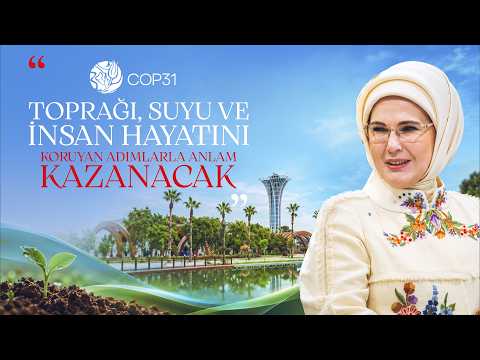
 Emine Erdoğan: COP31, toprağı, suyu ve insan hayatını koruyan adımlarla anlam kazanacak
#toprak
From YouTube
Emine Erdoğan: COP31, toprağı, suyu ve insan hayatını koruyan adımlarla anlam kazanacak
Videos come from YouTube and posts from Instagram; source links are on their pages. All rights belong to their owners.
What Is Soil?
What Is Soil?
Soil is the natural layer found on the Earth’s surface, formed as rocks break down through physical, chemical, and biological processes. It is made up of mineral particles, organic matter, water, air, and living organisms coming together. It is one of the essential natural resources where plants take root, agriculture is carried out, and many living things find a habitat.
The structure of soil varies according to the proportions of different particles such as sand, silt, and clay. This structure determines the soil’s water-holding capacity, aeration, fertility, and workability. Soils rich in organic matter are generally more fertile. The soil’s pH value, salinity level, and nutrient content also affect which plant species can grow in it.
Read more
Importance and Functions
Soil is important not only for agriculture, but also for filtering water, sustaining the nutrient cycle, and preserving biodiversity. A portion of rainwater is absorbed by the soil, filtered, and mixed into groundwater. Living things such as earthworms, insects, fungi, and bacteria live in or on the soil; these organisms help decompose organic matter and maintain the soil’s natural cycle.
Soil is also the essential ground for human settlements, construction, and infrastructure work. For this reason, factors such as erosion, pollution, desertification, and improper land use can directly affect soil quality. Protecting soil is important in many areas, from agricultural production to environmental balance.
Main Topics Related to Soil
News and discussions about soil are generally grouped under the following topics:
- Agricultural productivity and crop-growing conditions
- Erosion, drought, and desertification
- Soil pollution and environmental impacts
- Irrigation, drainage, and land management
- The effects of urbanization and construction activities on soil
- Local soil types, mineral structure, and traditional uses
Soil is an indispensable element for both the continuation of natural life and human activities. For this reason, it is addressed as one of the fundamental topics in the fields of environmental science, agriculture, geology, and ecology.
Comments (0)
No comments yet. Be the first to comment.
Sign in to write a comment.