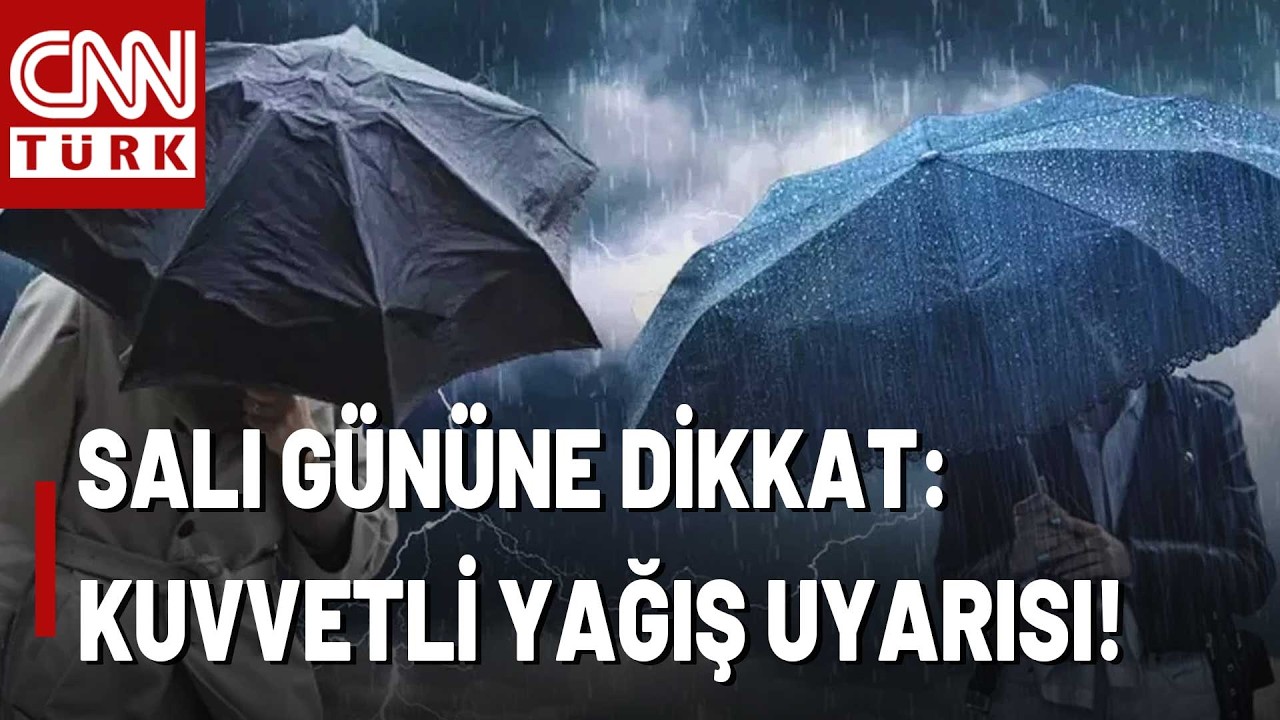
 Salı Günü İçin Kuvvetli Yağış Uyarısı! Hangi Bölgeler Etkilenecek?
#Yağış
From YouTube
Salı Günü İçin Kuvvetli Yağış Uyarısı! Hangi Bölgeler Etkilenecek?
Videos come from YouTube and posts from Instagram; source links are on their pages. All rights belong to their owners.
What Is Precipitation?
What Is Precipitation?
Precipitation is the process by which water vapor in the atmosphere condenses and reaches the earth’s surface in liquid or solid form. Although rain is the most common form, there are also different types such as snow, hail, sleet, and drizzle. In meteorology, precipitation is considered one of the basic components of weather events and climate.
The formation of precipitation depends on factors such as temperature, humidity, air pressure, wind movements, and the structure of clouds. As air rises and cools, water vapor can condense and cloud droplets can grow and fall to the ground. For this reason, precipitation can vary greatly from region to region and from season to season.
Read more
Why Is It Important?
Precipitation is a natural part of the water cycle and is of great importance for drinking water sources, agriculture, ecosystems, and dams. Regular precipitation helps vegetation develop and helps maintain soil moisture. On the other hand, precipitation that occurs very intensely in a short time can increase risks such as floods, inundation, landslides, and transportation disruptions.
Precipitation news is usually shaped around meteorological warnings, weather forecasts, regional risks, and possible effects. These kinds of headlines cover topics such as heavy showers, precipitation accompanied by storms, snowfall, icing, hail, flooding, and agricultural impacts. In addition, effects on air transportation, road traffic, energy infrastructure, and urban life are often brought up.
Types of Precipitation
- Rain: The type of precipitation that falls to the ground in liquid form.
- Snow: The reaching of ice crystals formed in cold weather to the ground.
- Hail: The falling of ice particles that grow with strong vertical air movements.
- Sleet: A mixed form of precipitation made up of snow and rain.
- Drizzle: Precipitation seen as very light, small droplets.
Precipitation is a basic weather event that affects both daily life and economic and environmental balances. For this reason, it remains one of the headlines often followed in meteorology reports and news.
Comments (0)
No comments yet. Be the first to comment.
Sign in to write a comment.